

Bobara
Lotus Apps
Swift / SwiftUI / SwiftData / WidgetKit / WeatherKit / CloudKitSince 2015, Lotus has mostly built software for other people. Bobara is my own. It's a calm collecting app for iPhone, iPad and Apple Watch, for anyone who loves boba tea, and it launches on November 9, 2026.
The Idea
I love boba tea, to the point of obsession, and I love software that is well designed, made with care and made for a reason. Last year I came back from a trip to Japan that stayed with me, and got a tattoo of a capybara drinking boba. Bobara grew out of all of that. I wanted to make something special again, something that might bring a smile to someone's face in a busy day.What I Built
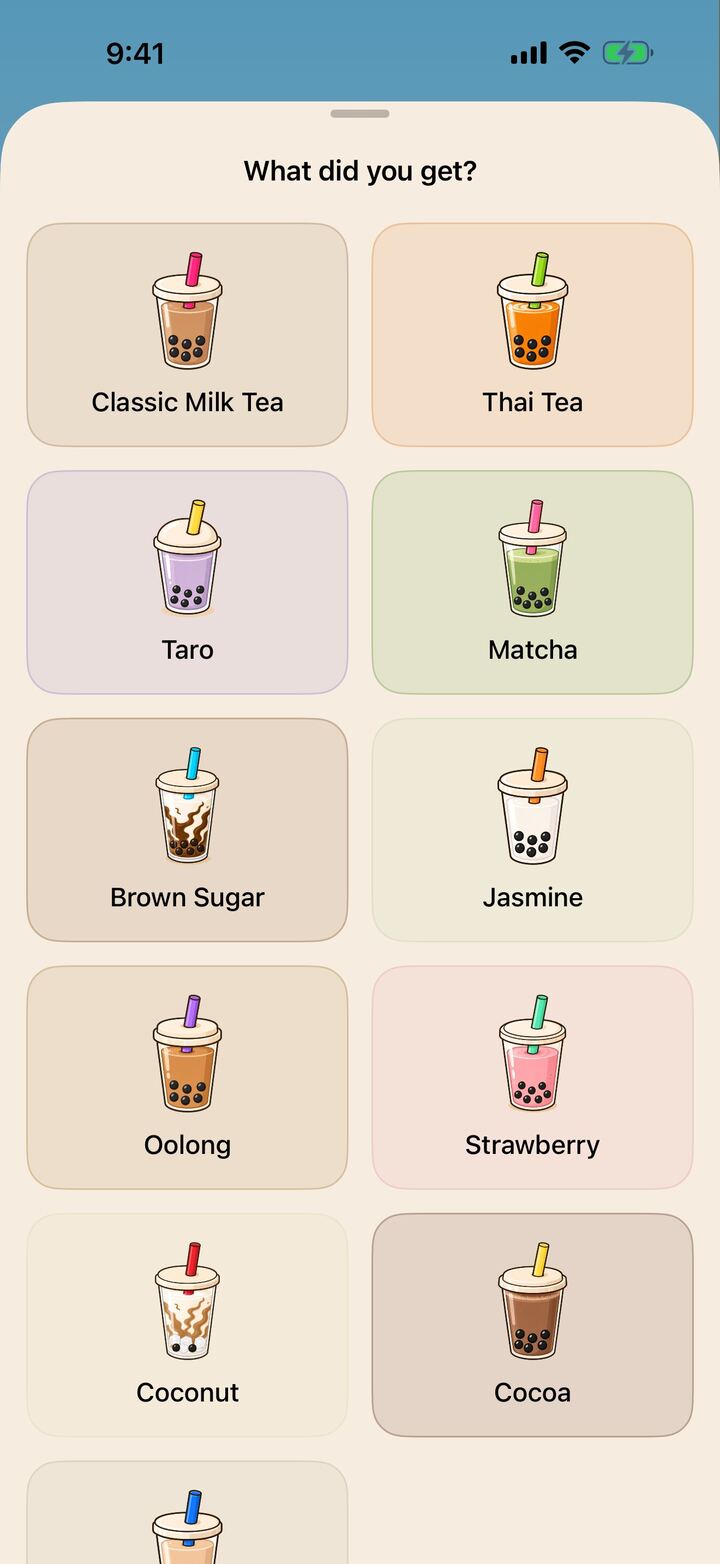
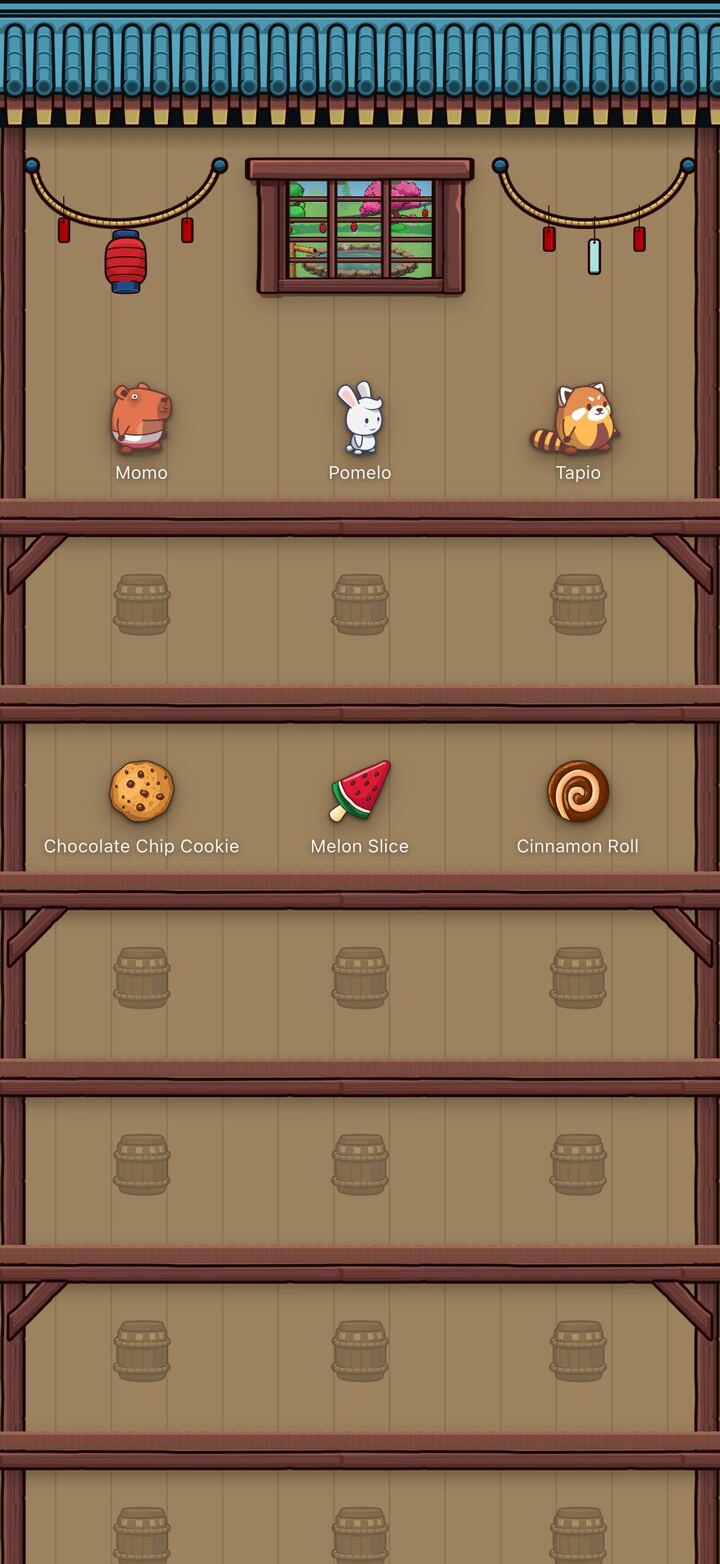
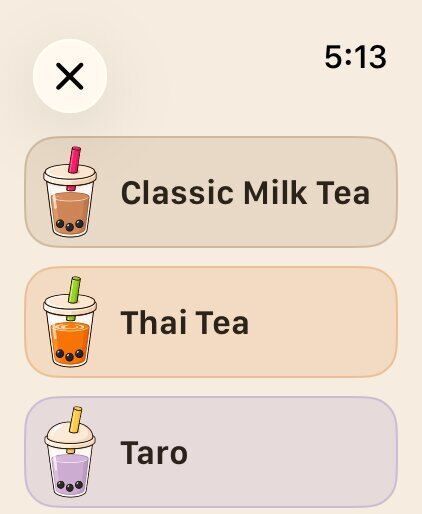
A capybara named Momo lives in a small hot spring on your iPhone, iPad and Apple Watch. Buy a boba in real life, check it in with one tap, and something arrives: a new friend for the water, a prize for the tea house shelf, or a little more time with someone who has visited before. The onsen gets the same sky you do, and it sits on your Home Screen as a widget and on your watch face as a complication.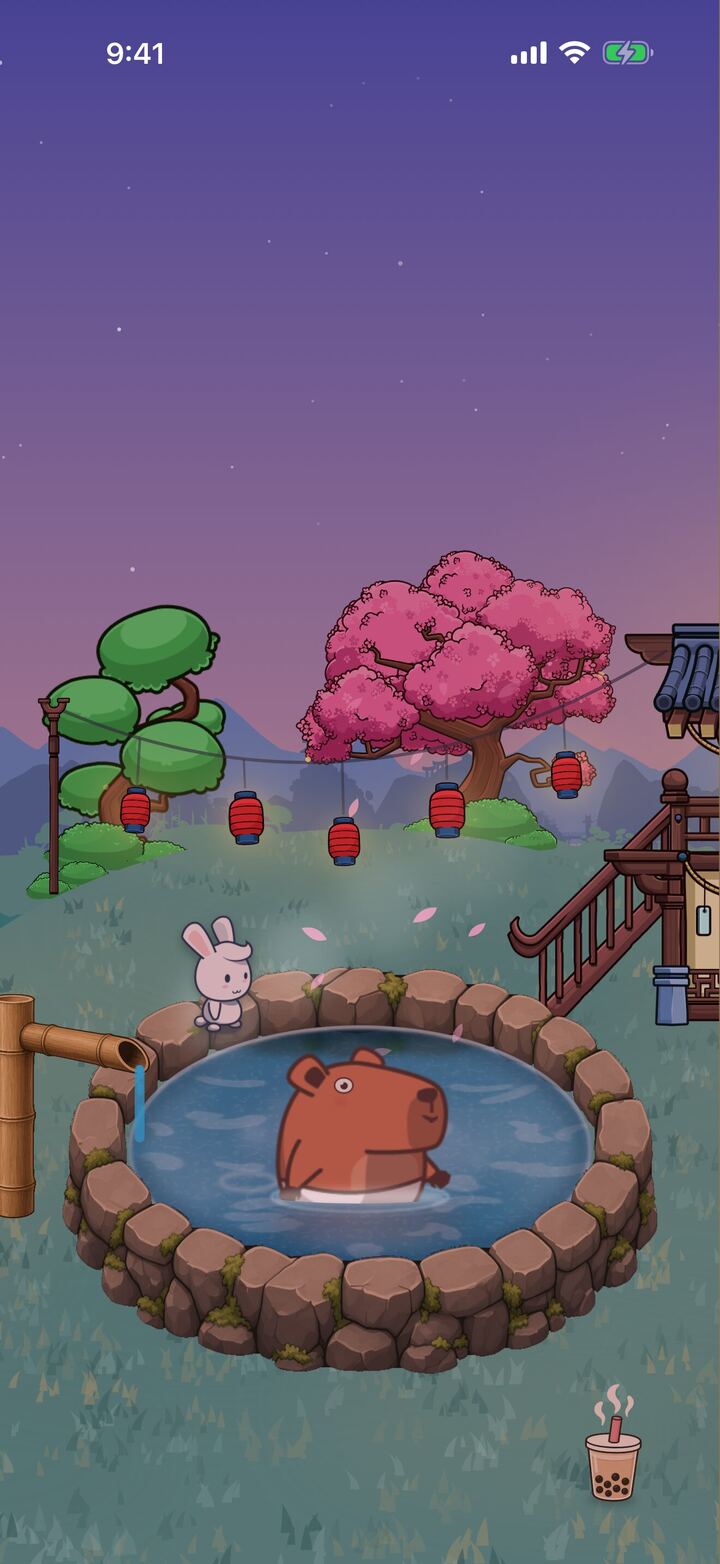
Who It's For
Bobara is for other boba lovers, and for people who appreciate graphic and industrial design and well-crafted Apple software. It's a labor of love, and a little of me put out into the world.
The hope is simple. In a busy day and a stressful world, it should make you smile.
What It Doesn't Do
Most of the decisions in Bobara are about what to leave out. Nothing decays and nothing expires. There are no streaks, no hunger meter and no reminders asking you to come back. A long gap gives you a sleepy capybara, not a guilty conscience.
It isn't a drink tracker, a fitness app, a game or a social network. There's no currency, and the things you collect don't do anything. Every check-in brings something, and ordering the same drink again deepens a friendship you already have rather than handing you a duplicate. The app should never give anyone a reason to drink more boba than they already would.
Discovery First
Years of consulting taught me the value of the discovery process I ran for Lotus clients, so I ran it on Bobara before I wrote a line of code. I checked that the market wasn't saturated and that there was real demand. I worked out who the audience was and tied that to the keywords people search for. I planned the marketing too: partnering with local boba tea shops, working with small creators on social media, and a budget for ads.
Then I prototyped the parts that were new to me, quickly, without building a whole app: CloudKit, which I hadn't used before, and a highly graphical, sprite-based 2D interface, including a comparison of SwiftUI and SpriteKit for drawing it. I kept going until every decision was captured in a plan, an architecture plan and a marketing strategy.
That made the build itself easier, and left my time for the exciting details: the graphic style and the art, and a library of sounds.
Built Around the Day Job
I have a full-time day job, so Bobara was built in the time around it: evenings, late nights, early mornings and lunch breaks. A lot of it was worked out on walks through the park and around my neighborhood, dictating as I went.
I built it with heavy use of Claude Code, and fully embraced agentic development. It took a few months to go from the idea to submitting it to the App Store.
The Craft
One scene, drawn everywhere
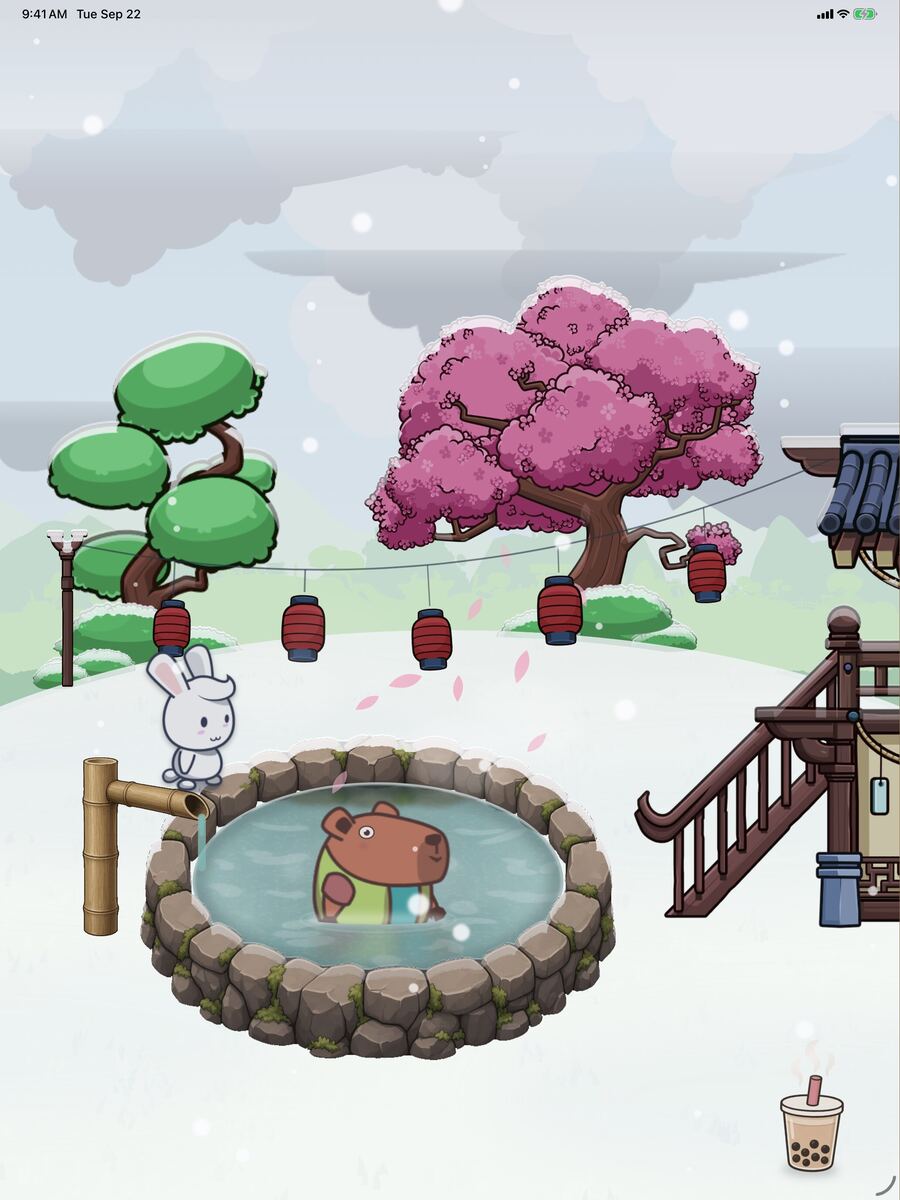
The onsen is drawn by a single renderer that depends only on the scene's state and the size it's given. The app, the Home Screen widget, StandBy, the watch app and the watch complication all use it. The widget draws from a snapshot the app writes, so it never has to open the database from another process.
Time and weather
The onsen is painted in one of four palettes depending on the time of day, and night is repainted, not just a dimmed version of the day. If you allow it, the sky follows your real weather through Apple's WeatherKit, using a coarse location only while the app is in use. If you decline, the sky stays clear and the app doesn't ask again.
Privacy
There are no accounts, no sign-in and no analytics. Check-ins stay on the device and can sync through your own iCloud account. The only third-party code is crash reporting, which carries no identifier and sends nothing from development builds.
Accessibility
The app has been checked screen by screen at every accessibility text size on iPhone and Apple Watch, following one rule: nothing gets smaller for someone who asked for larger text. The swipe into the tea house also has a named VoiceOver action.
Fair purchases
Bobara is $4.99, bought once. Anything sold later will show its full contents before you buy it, and nothing is left to chance.
Native, and tested where it counts
The app is written in Swift with SwiftUI and SwiftData. The core logic lives in a package that imports neither, so its whole test suite runs in about a second without a simulator.
Launching November 9, 2026
For iPhone, iPad and Apple Watch. $4.99, bought once. Bobara is the first of several apps.
Ready to have a chat?
Contact us to chat with our founder
so we can learn about you and your project.